
A printed scarf can hide most of its own picture.
Spread it out, and there is the whole composition: the generous border, the flowers, the blue patch you fell for. Put it around your neck, and the blue patch vanishes. A corner you barely noticed takes over the outfit. Somewhere under your chin, a perfectly good flower is spending the afternoon folded in half.
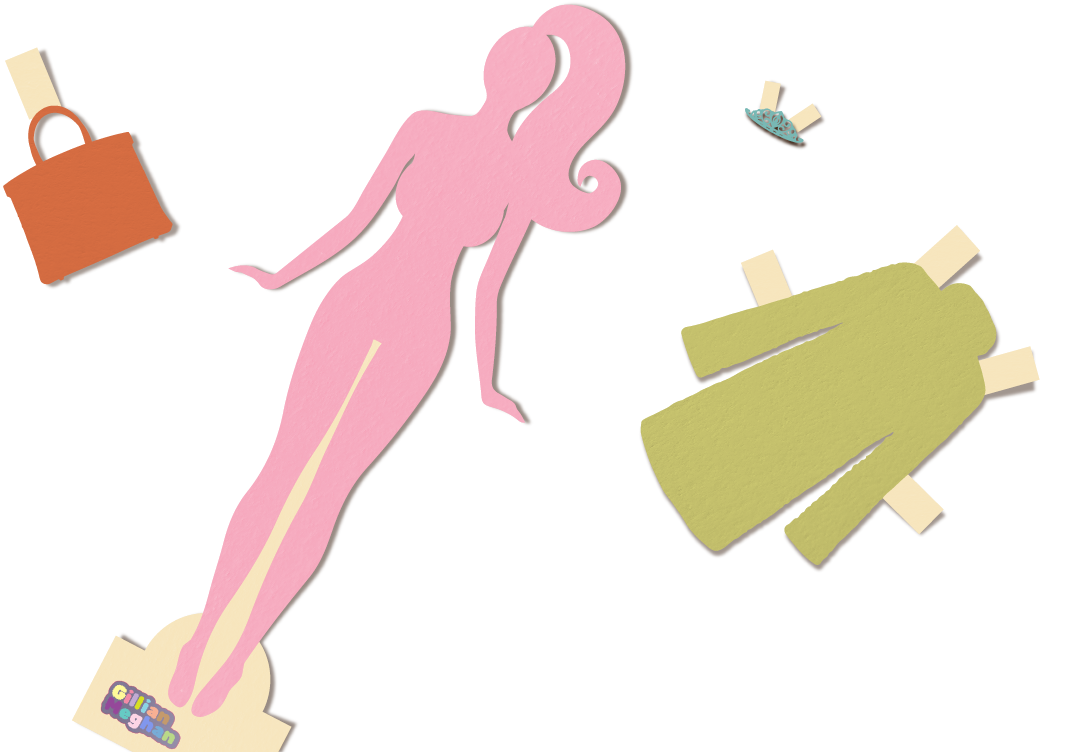
As a paper-born person, I find this arrangement suspicious. A printed blouse stays printed exactly where I expect it. Cloth, apparently, reserves the right to edit.
That is also what makes a square scarf worth playing with. You do not need another scarf to get a different mix of color. You need to stop treating the flat square as a preview of the finished outfit. The flat square shows everything. Wearing it means choosing what gets seen.
Find the part you want to keep
Take a square scarf you already own and lay it on a clean surface. Choose one whose size feels comfortable around your neck; this exercise does not require a particular fabric or a luxury label. Silk, cotton, and other fabrics will drape differently. Work with the one in your hands.
Look for a palm-sized area you would like beside your face. It might be one clear color, a busy cluster of shapes, or a section of border. Ignore the rest for a moment. My instinct is to preserve every inch of a printed design, which is considerate toward the designer and disastrous for getting dressed.
Now fold one corner toward its opposite corner, making a triangle. Before you do anything clever with the ends, lift the triangle and see which part faces outward. If your chosen detail is inside, turn or refold the scarf. There is no prize for completing a knot with the wrong part of the picture showing.
A triangle and a rolled band are established ways to wear a square scarf; the V&A describes both. Our additional assignment is to notice what each one keeps visible.
Try the triangle loosely around your shoulders or neck, with the ends resting in front. Leave it untied while you look. A broad triangle gives a larger piece of the print room to appear. Notice the edge as well as the center: a contrasting border can become a strong line against a plain shirt.
The picture is allowed to disappear
Here is the turn that my paper instincts resist: the beautiful part may be the part you hide.
Open the square again. Bring two opposite corners inward, then keep folding toward the middle until you have a soft band. Do not press sharp creases into it. Drape the band around your neck and let the ends hang. Compare it with the triangle.
A large motif may now be only a streak. A fussy border may become a crisp stripe. That busy scarf you never quite knew how to wear may supply two quiet colors once most of its ambitions are folded away.
On a paper outfit, removing a flower requires scissors and a decision I cannot take back. Here I can hide six flowers before lunch and restore them before dinner. This is a remarkably civilized way to disagree with a print.
If the band shows too much of a color you dislike, open it and shift the starting folds. You are choosing the visible strip, not correcting your complexion, your wardrobe, or your taste. Hold it beside the shirt you intend to wear. Two scarves with entirely different pictures can look similar when folded; one scarf can look surprisingly different from itself.
Choose the version you prefer, then make one loose knot if the ends are long enough. Keep it comfortable and easy to undo. If the knot swallows the detail you wanted, move it to one side or let the ends hang without tying. A technically impressive knot that conceals your favorite blue is an administrative success and a fashion disappointment.
Hermès offers examples of square scarves worn with one knot or two and in different folds. Treat those as possibilities, not an entrance exam. The useful skill here is finding your bit of the picture again.
Let the scarf leave the diagram
Now move. Put on your usual outer layer, lift your arms, and take a few ordinary steps. Check the scarf again. Does the band bunch under the collar? Does the triangle cover something you meant to show? Would you spend the whole walk retrieving one end?
A paper outfit only has to survive the pose it was drawn for. A real one must accommodate you reaching for your keys. I consider this a reasonable demand on the clothing, rather than a failure of the wearer.
Loosen, untie, or refold whatever interferes. Keep the version that looks good after you move, even if it is less elaborate than the one in the mirror. A quick photo can help you remember where the folds began; the scarf itself need not remain tied in storage.
Then unfold it once before putting it away. There is the whole picture again, including the flower that missed the outing. Nothing was wasted. You simply discovered that a print does not have to be seen all at once to be worth wearing.
Research Notes
- V&A Shop: Abstract seascape square scarf describes rolling a square scarf into a band and folding it into a triangle for neckerchief styling. The article’s print-selection comparison is an original exercise, not a V&A method or a product recommendation.
- Hermès USA: How to tie your scarf presents square scarves with one or two knots and different folds. It supports the range of styling possibilities, not a claim that one fold suits everyone.